Should you need urgent health advice please contact your GP or call NHS 111. In an emergency please visit A&E or call 999
This page will give you information about how to look after yourself following childbirth. It provides helpful advice and who to contact for help if you need it.
Scroll through the sections below and click on the title for more information:
When and how to get urgent help

Seek urgent medical help if you have any of the following symptoms:
- Sudden, very heavy or increased vaginal bleeding
- Leg swelling and tenderness or shortness of breath
- Chest pain
- Persistent or bad headache
- Worsening reddening or swelling of your breasts for more than 24 hours
- Worsening pain in your tummy or vagina
- Vaginal discharge with a bad smell
- Fever, shivering and feeling unwell
Postnatal care
Please remember to:
- Register your baby’s birth within 6 weeks. You will need to book an appointment online.
- Book an appointment to see your GP at 6 weeks with your baby. They will check you are recovering well.
Stitches after a vaginal birth
- Keep your stitches clean using water only. Have a shower at least once a day
- You can take regular pain relief if you are feeling uncomfortable
- To reduce the risk of infection, wash your hands before and after changing pads. Change your pads regularly
- Eat a balanced diet and drink plenty of water to avoid constipation
Caesarean section stitches
- Most stitches are dissolvable so they will not need to be removed
- Gently clean the wound with water every day and dry the area well
- Wear loose, comfortable clothes and cotton underwear
- Always wash your hands before and after touching your wound
Recovery after caesarean birth
Generally, you will remain in hospital for 1 to 2 days after having a caesarean birth.
You will have some pain and discomfort, and you will be given pain relief to help you with this. Getting out of bed and walking early helps. Hospital staff will help you to do this.
You will be able to eat and drink when you feel up to it. You will have a urinary catheter (tube inserted into bladder to empty urine) inserted whilst in theatre, which will remain in until after your caesarean and will be removed when you are able to get to the toilet, normally within 12 hours.
You will have some vaginal bleeding. The surgical wound (usually around 10–15cm long) will be covered with a dressing that will be removed before you go home.
Caring for your wound:
- Do not let anyone touch your wound without them washing their hands first
- It is better to shower instead of having a bath
- Wash your wound every day with water only
- Pat your wound dry, do not rub your wound
- After showering, air the wound before dressing by lying on the bed and exposing the scar
- Wear loose clothes and high waisted cotton underwear as anything pressing into the wound can be uncomfortable
Signs of infection:
- Pain getting worse
- Swelling at the wound
- The skin around the wound might change colour
- The wound might feel hot and tender
- Unpleasant smell
- The ends of the wound might appear to open up
- There might be fluid coming out of the wound
- You might feel feverish or have a temperature
If you experience any of these symptoms, you must seek medical advice as soon as possible from your community midwife, GP or maternity assessment unit.
Returning to normal activities:
You can start to do your usual activities at home when you feel more like yourself. There are no time restrictions as everyone is different; however remember you have had a serious operation and should rest more frequently. You should leave heavy tasks such as hoovering, standing to iron for long periods and heavy housework until 6 weeks after your caesarean.
Sex and getting pregnant again after having a caesarean birth
You can have sex when you feel ready. There is no right time, however most women wait until their wound has healed and the blood loss has stopped. You must use contraceptives at all times if you do not want to have another baby quickly. It’s important to give your body time to recover before you start trying to get pregnant again. Waiting 12 to 18 months before getting pregnant again is advised to give your body time to recover.
Click here for more information about birth after a caesarean section.
Driving
There are no fixed time scales to suggest when it is safe for you to start driving again after a caesarean section. Most people are fit enough to drive by 6 weeks but many are fit sooner than this. If you feel that you are fit to drive sooner than 6 weeks, you should contact your GP and make your insurance company aware.
Follow-up
Your GP will be notified that you have had a caesarean section and of your discharge home. If you have any concerns about you or your baby’s health (especially problems with your breathing or passing urine, swelling in your calves, excessive bleeding) then you should contact your community midwife or GP in the first instance.
Useful links
Pelvic floor exercises
Having sex
Contraception
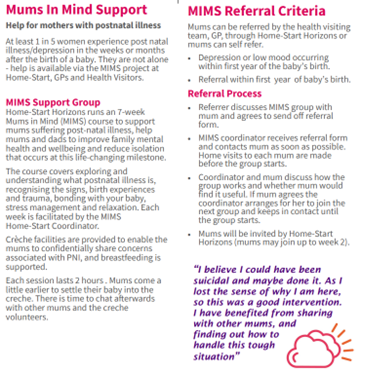
Mental health support
Around 1 in 4 women experience mental health problems in pregnancy and during the 24 months after giving birth. You are not alone. Difficulties during this time are very common.
Help is available if you need it. Getting support can help you to recover and help you, your child and your family to live a happy, healthy life together.
Signs and symptoms to look out for include:
- feeling low, unhappy and tearful for much or all of the time
- irritability
- difficulty bonding with your baby
- overwhelming tiredness
- a loss of enjoyment or interest in anything
- not wanting to be around other people (isolating yourself)
- feeling very anxious and overwhelmed. This could cause physical symptoms like a racing pulse, sweating or thumping heart.
- feeling as though you want to avoid other people
- feeling hopeless, as though things are awful and will never get better
- thoughts about harming yourself or ending your life.
If you notice your partner is struggling after having a baby, please speak to them and encourage them to get help. It can also be difficult for fathers and partners too. Help is out there if you need it. Click here for more information.
Birth Reflections Service
You can get in contact with the Birth Reflections Service by phone or email:
uhl-tr.birthreflectionsmailbox@nhs.net
Tel: 0787 647 6003 (Please leave your full name and date of birth)
Common health problems after birth and what to do
Other useful information
- National Domestic Abuse Helpline: 0808 2000 247
- NHS: Your body after birth
- Leicester and Leicestershire mental health support
Contact details:
Community Midwife Office: 0116 258 4834
Leicester Maternity Services : 0116 258 6111
Leicestershire Partnership NHS Trust is responsible for the writing, publishing and updating of the content on this page.